
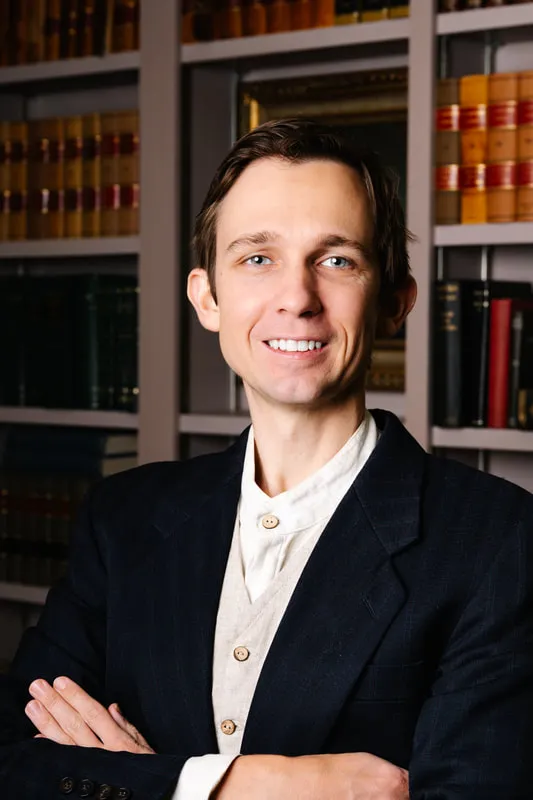
Jaran R. Blessing
Attorney
We help charitable and community organizations with nonprofit formation, governance documents, tax-exempt status questions, and the day-to-day legal structure that helps an organization keep operating smoothly.
Many of the organizations that make life in this area what it is are charitable, educational, cultural, agricultural, or otherwise community-based nonprofits. They often begin with a clear purpose and a committed group of people, but they still need the right legal structure in order to function well over time.
Our attorneys can help with nonprofit formation, organizational documents, and the legal housekeeping that supports a stable organization. That may include help with bylaws, governance questions, corporate resolutions, board procedures, conflict of interest policies, and the steps involved in obtaining or maintaining tax-exempt status.
Starting a nonprofit is not simply a matter of choosing a good mission and gathering supporters. The organization also needs to be formed correctly, with the right governing documents and a structure suited to its purpose. Depending on the circumstances, that may include work connected to New Hampshire nonprofit requirements as well as federal tax-exempt status, including 501(c)(3) considerations.
Once an organization is established, the work shifts from formation to governance and compliance. Boards need clear rules to operate under. Minutes and resolutions need to be kept in order. Policies should reflect how the organization actually functions. Questions may arise about authority, board turnover, conflicts of interest, or whether the current documents still fit the organization as it has grown.
Many nonprofit questions are not dramatic, but they are important. A board may need to revisit bylaws, update internal procedures, confirm who has authority to act, or think through a leadership transition. Some matters also overlap with our Business Law work, especially where an organization owns property, signs contracts, or needs steady general counsel.
Nonprofit planning can also intersect with Estate Planning, particularly where clients want to include charitable organizations in wills, trusts, or other long-range giving plans.
In Peterborough and across the Monadnock Region, many organizations are deeply local and heavily volunteer-driven. Good nonprofit planning should be practical, understandable, and realistic about how the board and staff will actually function.
Attorney
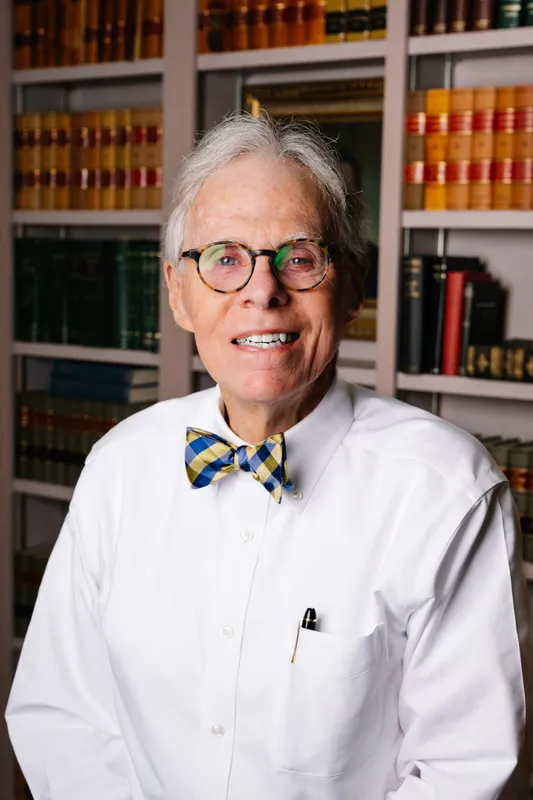
Principal Attorney
Guidance on business formation, LLC and corporate structure, day-to-day business representation, and succession planning for closely held companies.
We help clients in Peterborough and the Monadnock Region put wills, trusts, powers of attorney, and advance directives in place with an eye toward both lifetime planning and what comes later.
July 24, 2015
Be Charitable with IRAs I want to talk about IRAs and charities in the same breath here, and I want to acknowledge my good friends at the New Hampshire Charitab...
October 16, 2014
Help Most Effectively While we certainly have plenty of people who are hurting for the basic necessities of life and health in our country, the extent of povert...
October 31, 2016
Ask the Right Questions Most of us won't ever run for public office, but that doesn't mean we don't engage in important public service. I venture to say that ev...
Common questions
A nonprofit should generally keep organized formation documents, bylaws, board minutes, resolutions, conflict of interest policies, officer and director records, tax-exempt status documents if applicable, and records showing who has authority to act.
The right documents depend on the organization's size, purpose, funding, and activities. Good governance records help a board make decisions and show continuity when leadership changes. These issues are part of Nonprofit Law.
Articles of incorporation are the formation document filed to create the nonprofit corporation. Bylaws are the internal rules that explain how the organization is governed, including board structure, meetings, officers, voting, and related procedures.
Both documents matter, but they do different jobs. Articles usually establish the entity, while bylaws guide how the entity operates. Reviewing both is a normal part of Nonprofit Law and governance work.
A nonprofit should consider updating bylaws when the current rules no longer match how the board operates, when board size or officer roles change, when voting procedures are unclear, when conflicts of interest need better handling, or when a funder, auditor, or attorney identifies a governance gap.
Bylaws should be usable in real board life. If directors do not understand them or cannot follow them, the organization may need a practical review. Updating bylaws is common Nonprofit Law work.
A board should keep minutes, resolutions, officer and director records, committee records if applicable, financial approvals, conflict disclosures, major contracts, policy approvals, and records of major decisions. The exact recordkeeping system should fit the size and complexity of the organization.
Good records help show what the board decided, who had authority, and whether the organization followed its own governance rules. Board recordkeeping is a practical part of Nonprofit Law guidance.
Before starting a new program, a nonprofit should consider whether the program fits the organization's mission, whether the board has approved it, whether insurance or contracts are needed, who will supervise it, how it will be funded, and whether it creates employment, licensing, property, or liability issues.
A new program can be exciting, but the governance and legal structure should be clear before people begin relying on it. This type of review can fall within Nonprofit Law and sometimes overlaps with contracts, employment, or real estate issues.
A nonprofit should consider legal guidance when forming, applying for or maintaining tax-exempt status, updating bylaws, changing governance structure, entering major contracts, buying or leasing property, starting a new program, handling board conflict, or managing a leadership transition.
Many nonprofit questions are easier to handle before they become urgent. A practical review through Nonprofit Law can help the board understand its documents, authority, and next steps.
We keep a broader set of practical questions organized by practice area, including nonprofit law.
Peterborough office
The Peterborough office can help you review the facts, the documents involved, and the practical options available in your situation.